Excessive Solids Buildup
Accumulated sludge and floating scum can reduce the available capacity of a septic tank over time.
A properly maintained septic system plays an important role in managing wastewater for properties that rely on onsite sewage treatment. Routine inspections and timely maintenance can help identify developing problems.
Ashburn Plumbing Repair helps homeowners understand septic system concerns, recognize common warning signs and explore appropriate plumbing service options.
Request Septic Service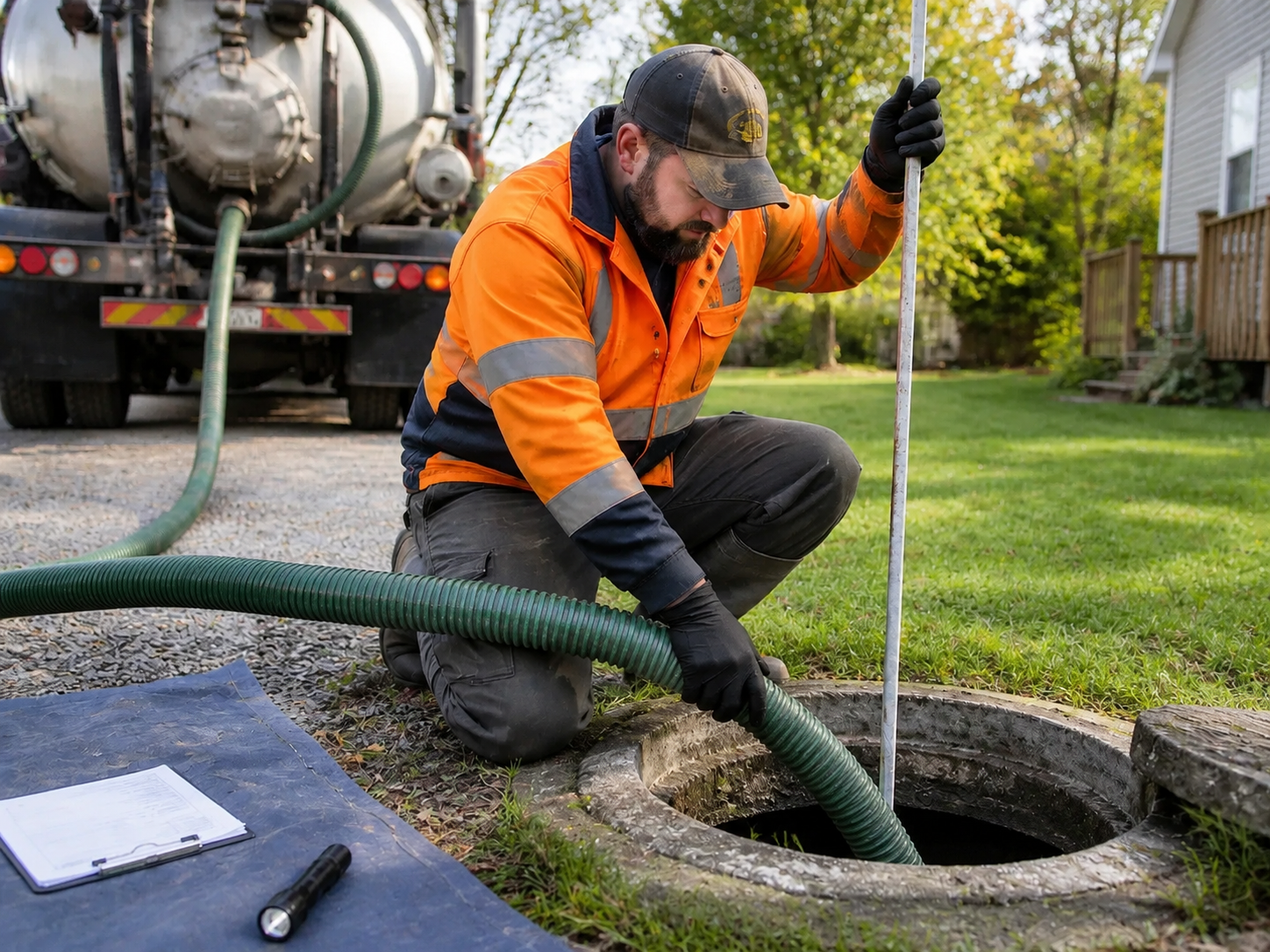
A septic system is an onsite wastewater treatment system commonly used by properties that are not connected to a municipal sewer network. It generally includes a septic tank and a drainfield.
Wastewater from the property flows into the septic tank, where heavier solids settle at the bottom and lighter materials form a floating layer. The partially treated liquid then moves toward the drainfield for further treatment in the soil.
Proper maintenance helps the system operate as intended. Neglected tanks, excessive solids and damaged components can contribute to blockages, backups and drainage problems.
Septic system problems can develop gradually. Recognizing unusual changes around your property can help you arrange an inspection before the problem becomes more serious.
Multiple slow drains may indicate a blockage or a problem affecting the wastewater system.
Repeated sewage backups or wastewater returning through drains may indicate a septic system issue.
Persistent sewage smells around plumbing fixtures, the septic tank or drainfield may require investigation.
Unexpectedly soggy ground or standing water near the drainfield may indicate a drainage or system problem.
Localized patches of unusually green or fast-growing grass above septic components may indicate excess moisture or wastewater leakage.
Several factors can affect septic tank performance and wastewater drainage. Understanding common causes can help homeowners take appropriate preventive steps.
Accumulated sludge and floating scum can reduce the available capacity of a septic tank over time.
Soil saturation, blockages or damaged components can interfere with wastewater absorption.
Obstructions in wastewater pipes can restrict normal flow between the property and septic tank.
Cracks, deteriorating materials or damaged connections may affect the condition of the tank.
Sending too much water into a septic system in a short period can overload its treatment capacity.
Grease, wipes, chemicals and unsuitable materials can contribute to septic system problems.
A septic tank inspection can help evaluate the system's general condition, identify visible concerns and determine whether maintenance may be necessary.
Checking accessible tank components for visible deterioration, damage or other concerns.
Assessing accumulated solids to help determine whether pumping may be needed.
Reviewing accessible connections and wastewater lines for signs of obstruction or damage.
Looking for visible drainage concerns, unusually wet ground and other potential warning signs.
Explore common septic system services and maintenance options that may help address wastewater management concerns.
Evaluation of accessible septic system components to identify visible concerns and maintenance needs.
Removal of accumulated sludge and scum using appropriate septic pumping equipment.
Appropriate tank cleaning services to address accumulated material as required.
Assessment of damaged or malfunctioning septic system components and suitable repair options.
Investigation of slow wastewater drainage, backups and suspected system restrictions.
Recommendations for routine septic system care based on usage and system condition.
Good everyday habits can help reduce unnecessary strain on a septic system and support its long-term operation.
Avoid sending excessive amounts of water into the system in a short period.
Keep grease, cooking oils, wipes and unsuitable household waste out of drains.
Have the system evaluated according to its condition, household usage and applicable recommendations.
Avoid driving or placing heavy structures over the drainfield unless specifically permitted.
Record inspection dates, pumping services and repairs to help monitor system maintenance.
Septic tanks and wastewater systems can contain harmful gases, bacteria and other hazardous materials. Proper precautions are essential.
Understanding your property's wastewater system is important when dealing with septic tank concerns. The right maintenance approach depends on the system type, condition and applicable requirements.
Ashburn Plumbing Repair focuses on helping homeowners understand plumbing concerns and practical service options for residential properties in Ashburn, Virginia.
Find answers to common questions about septic tank inspection, pumping, maintenance and common system problems.
Pumping frequency depends on tank size, household occupancy, water usage and the amount of solids accumulated. A qualified septic professional can recommend an appropriate schedule following inspection.
Slow drains, repeated backups, sewage odors and wet areas near the drainfield may indicate a septic system problem. An inspection can help determine the actual cause.
An inspection may include evaluating accessible tank components, sludge and scum levels, inlet and outlet connections and visible signs of system problems.
Excessive quantities of certain chemicals, solvents and cleaning products may interfere with the biological processes in a septic system. Follow product instructions and avoid disposing of hazardous chemicals through household drains.
Persistent sewage odors may be associated with ventilation issues, damaged components, leaks or other system problems. A professional assessment can help identify the source.
Avoid flushing wipes, sanitary products, paper towels, grease, cooking oil and non-degradable materials. These items can contribute to blockages and system problems.
Heavy rainfall and saturated soil can interfere with drainfield performance, potentially causing slow drainage or wastewater surfacing around the system.
Possible causes include excessive solids, blocked pipes, drainfield problems, damaged components or excessive water entering the system.
Keep vehicles and heavy equipment away from the drainfield, avoid planting trees with aggressive roots nearby and prevent excess water from collecting over the area.
Contact Ashburn Plumbing Repair to discuss your septic system concerns and confirm the availability of the specific inspection, pumping or maintenance service you need.
Do not ignore slow drains, recurring backups or unusual sewage odors. Contact Ashburn Plumbing Repair to discuss your property's plumbing concerns and available service options.
Contact Ashburn Plumbing Repair