Faucet Installation
Explore installation options for kitchen and bathroom faucets, including mounting, water supply connections and compatible fittings.
Plumbing fixtures play an important role in the comfort, convenience and functionality of your home. From kitchen faucets and bathroom sinks to toilets, showers and bathtubs, properly installed fixtures help support reliable everyday plumbing.
Ashburn Plumbing Repair helps homeowners understand plumbing fixture installation and replacement options for residential properties in Ashburn, Virginia. Whether you are upgrading an outdated faucet, installing a new sink or replacing a toilet, understanding fixture compatibility and plumbing connections is essential.
Request Fixture Installation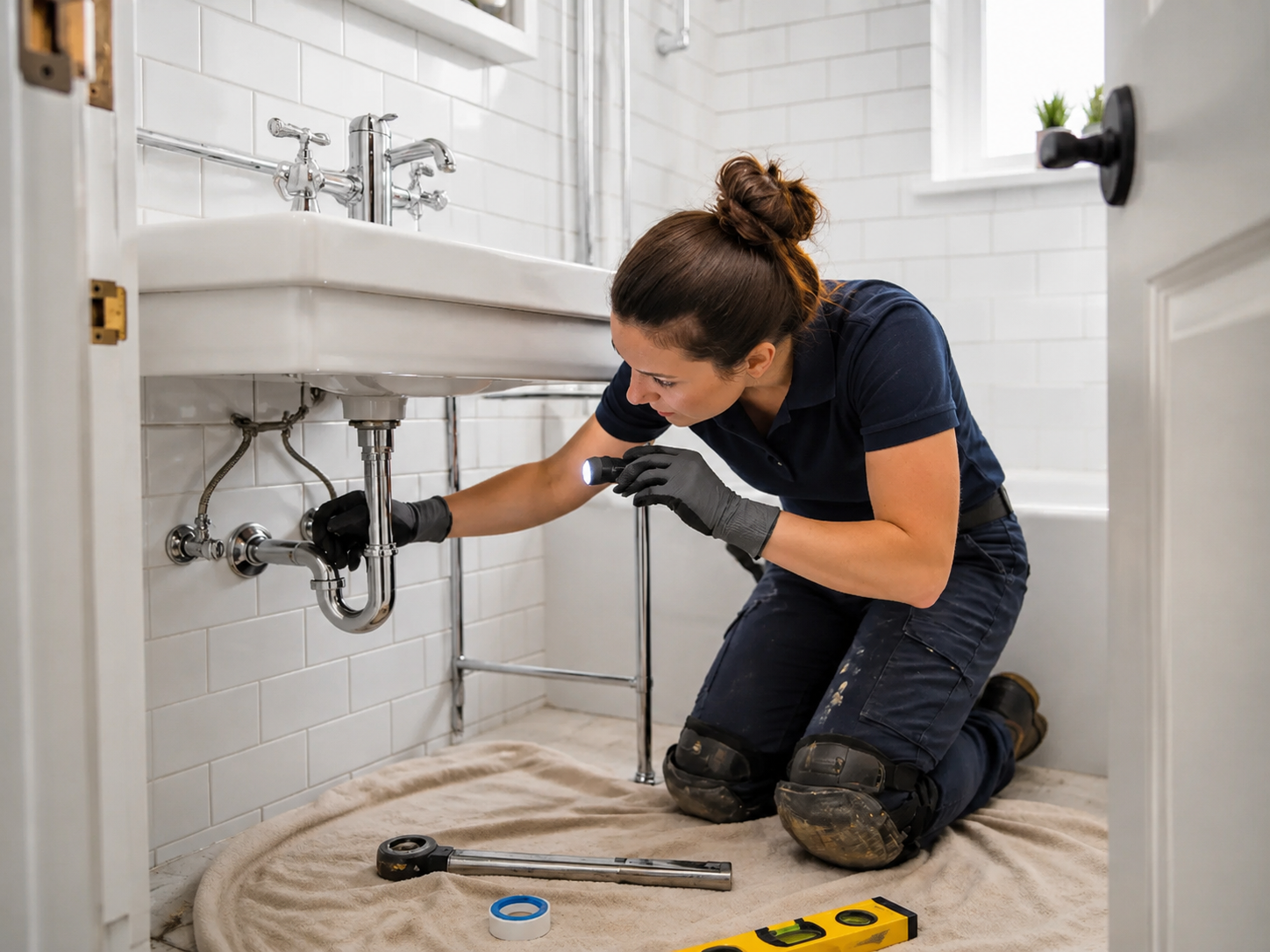
Plumbing fixtures connect your home's water supply and drainage systems to the appliances and fittings you use every day. Their proper installation is important for maintaining water flow, preventing leaks and supporting efficient plumbing performance.
Installing a new plumbing fixture involves more than simply attaching it to an existing connection. Fixture dimensions, mounting requirements, water supply lines, drain connections and compatibility with existing plumbing should all be considered.
Whether you are remodeling a bathroom, upgrading your kitchen or replacing an aging plumbing fixture, selecting an appropriate installation method can help avoid unnecessary connection problems.
Homeowners in Ashburn, VA can explore different fixture installation and replacement options based on their property's plumbing layout and individual requirements.
Different plumbing fixtures have different installation requirements. Explore common residential fixture installation and replacement options.
Explore installation options for kitchen and bathroom faucets, including mounting, water supply connections and compatible fittings.
Consider sink mounting, drain assembly connections, faucet compatibility and water supply requirements for new sink installations.
Explore toilet replacement and installation considerations, including mounting, waste connections, water supply and proper sealing.
Review showerhead, shower valve and related fixture installation requirements for residential bathrooms.
Explore bathtub faucet, drain assembly and plumbing connection requirements when installing or replacing bathtub fixtures.
Consider compatible mixing valves, water supply connections and temperature control components for shower and tub fixtures.
Review installation considerations for selected plumbing-related bathroom accessories and compatible fixture components.
Explore kitchen sink faucets, replacement fixtures and plumbing connections that support everyday kitchen activities.
Consider replacement options for damaged, outdated or incompatible plumbing fixtures throughout your residential property.
Faucets are among the most frequently used plumbing fixtures in a residential property. Installing a suitable faucet requires attention to mounting configuration, sink openings, water supply connections and fixture compatibility.
Kitchen faucet installation may involve single-handle, double-handle, pull-down and pull-out faucet designs. The selected fixture should be compatible with the sink configuration and existing water connections.
Bathroom faucets are available in different mounting styles and configurations. Proper installation requires checking sink openings, mounting hardware, supply lines and drain assembly compatibility.
An outdated or damaged faucet may be replaced with a compatible modern fixture. Existing connections and mounting arrangements should be checked before selecting a replacement.
Secure water supply connections are essential for preventing leaks and supporting reliable faucet operation after installation.
A new sink can improve the appearance and functionality of your kitchen or bathroom. However, proper installation requires compatible mounting arrangements, drainage connections and water supply fittings.
Kitchen sink installation may involve reviewing countertop openings, sink dimensions, mounting requirements, faucet placement and drain connections.
Bathroom sinks come in several styles, including pedestal, undermount, vessel and drop-in configurations. Each design has different mounting and plumbing requirements.
The sink drain assembly must be compatible with the fixture and properly connected to the existing drainage system to support effective wastewater removal.
Hot and cold water supply connections should be appropriately fitted and checked for leaks after the sink installation is complete.
A properly installed toilet depends on secure mounting, compatible waste connections, suitable water supply fittings and effective sealing. Problems with these components can lead to leaks, instability or flushing concerns.
Installing a new toilet requires checking the bathroom layout, rough-in measurements, waste outlet location and water supply connection.
Replacing an older toilet may involve removing the existing fixture, inspecting the flange and installing a compatible replacement with appropriate sealing.
The supply line and fill valve connections should be properly fitted to support reliable tank refilling and prevent water leaks.
Appropriate mounting hardware and a suitable seal help secure the toilet to the floor and connect it to the waste outlet.
Shower and bathtub fixtures control water delivery, temperature and drainage in residential bathrooms. Selecting compatible components and installing them correctly is important for reliable fixture performance.
Showerhead replacement involves checking the shower arm, connection size, thread compatibility and sealing requirements.
Shower valves regulate water flow and temperature. Their installation requires compatible plumbing connections and consideration of the existing water supply arrangement.
Bathtub faucet installation depends on fixture configuration, mounting location, water supply connections and compatibility with the bathtub design.
Drain and overflow assemblies must be compatible with the bathtub and connected properly to the wastewater drainage system.
Older plumbing fixtures may develop corrosion, recurring leaks, damaged components or compatibility problems. Replacing them with suitable modern fixtures can improve appearance and everyday functionality.
Visible corrosion, repeated leaks, broken handles, damaged mounting components and discontinued replacement parts may indicate that a fixture should be replaced rather than repaired.
Homeowners may consider updated faucets, sinks, toilets and shower fixtures when remodeling or improving their residential plumbing systems.
A replacement fixture should be compatible with the available mounting space, water supply connections and existing drainage arrangement.
Checking existing plumbing connections before installing a replacement fixture can help identify damaged pipes, worn fittings and other concerns that need attention.
A successful fixture installation involves several important steps to help ensure compatibility, secure connections and proper operation.
Review the existing fixture, installation area, plumbing connections and any specific replacement requirements.
Check fixture dimensions, mounting arrangements, connection sizes and compatibility with existing plumbing.
Install the selected fixture using appropriate fittings, mounting hardware, seals and plumbing connections.
Review water supply and drainage connections to identify potential leaks or installation concerns.
Check fixture operation, water flow, drainage and connections after installation.
Review the completed installation and identify any remaining concerns that may require attention.
Installing or replacing plumbing fixtures requires attention to fixture compatibility, water supply connections, drainage arrangements and proper mounting.
Ashburn Plumbing Repair focuses on residential plumbing information and service options for homeowners in Ashburn, Virginia.
Whether you are planning a kitchen faucet replacement, bathroom sink installation, toilet upgrade or shower fixture replacement, understanding your property's existing plumbing setup is an important first step.
Find answers to common questions about residential plumbing fixture installation, replacement, compatibility and upgrades in Ashburn, Virginia.
Common residential plumbing fixtures include kitchen and bathroom faucets, sinks, toilets, showerheads, shower valves, bathtub faucets and drain assemblies. Installation requirements depend on the fixture type and existing plumbing connections.
Persistent leaks, visible corrosion, broken components, recurring problems and unavailable replacement parts may indicate that a fixture needs replacement. Its condition should be assessed before deciding between repair and replacement.
In many cases, a kitchen faucet can be replaced without changing the sink. However, the new faucet must be compatible with the existing mounting openings, configuration and water supply connections.
Check the available space, sink dimensions, mounting style, faucet openings, drain assembly and water supply connections. Compatibility with the existing plumbing is important.
Not always. A compatible replacement toilet may fit existing connections. However, differences in rough-in measurements, flange condition, waste outlet position or water supply arrangement may require adjustments.
Many showerheads can be installed using existing shower arm connections. The connection size, thread compatibility and condition of the existing fittings should be checked first.
Leaks may result from loose fittings, damaged seals, incompatible connections, incorrect installation or excessive tightening. The affected connection should be inspected and corrected.
No. Fixture compatibility depends on connection sizes, mounting arrangements, water supply configuration, drain connections and manufacturer specifications. Existing plumbing should be reviewed before purchasing a replacement.
Yes. Bathroom renovations may include replacing faucets, sinks, toilets, showerheads, valves and bathtub fixtures. Existing supply and drainage connections should be reviewed as part of the renovation planning.
Check fixture stability, water flow, drainage, mounting hardware and all accessible water connections. Run the fixture and inspect for leaks before considering the installation complete.
Installation time varies depending on fixture type, existing plumbing conditions, accessibility and whether modifications are needed. A straightforward replacement generally requires less work than a new installation involving pipe adjustments.
Contact Ashburn Plumbing Repair to discuss your fixture installation or replacement requirements and confirm the availability of the specific service in Ashburn, Virginia.
From kitchen faucets and bathroom sinks to toilets, shower fixtures and bathtub fittings, selecting compatible plumbing fixtures is essential for reliable installation.
Contact Ashburn Plumbing Repair to discuss your fixture installation needs and available residential plumbing service options.
Contact Ashburn Plumbing Repair