Tell Us About the Leak
Start by describing the signs you've noticed, such as water stains, damp walls, unusual odors, dripping sounds, or an unexpected increase in your water bill.
Water leaks aren't always easy to spot. In Ashburn homes, hidden leaks behind walls, beneath floors, or around plumbing connections can go unnoticed until water stains, damp surfaces, or unexplained increases in water bills appear. Ashburn Plumbing Repair helps homeowners identify potential plumbing leaks, understand their source, and determine the appropriate next steps to address the problem.
Call 0000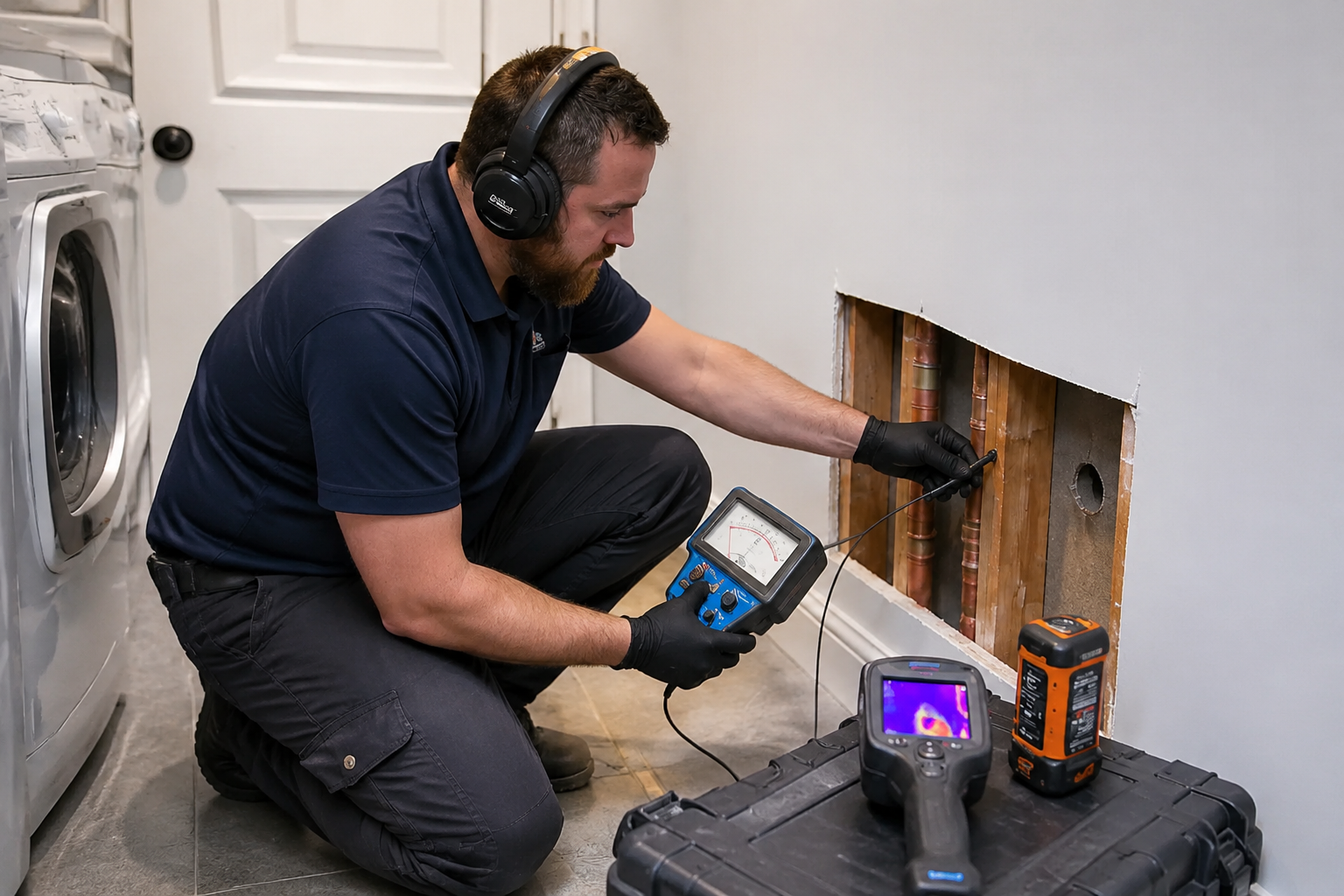
Leak detection is the process of locating water escaping from your plumbing system when the source is not immediately visible. Ashburn Plumbing Repair helps homeowners in Ashburn, VA understand potential plumbing leaks affecting water supply pipes, fixture connections, and other accessible plumbing areas. Our approach starts with reviewing the symptoms you have noticed, such as unexplained increases in water bills, damp walls, ceiling stains, unusual odors, or changes in water pressure. Depending on the suspected leak location, appropriate inspection and diagnostic methods can help narrow down the source. This may include checking accessible pipe connections, plumbing fixtures, and areas showing signs of moisture. Hidden leaks behind finished walls, beneath floors, or around slab foundations can be more difficult to identify because the affected pipe may not be directly visible. Once the suspected source is identified, the next step is to understand the condition of the plumbing and consider suitable repair options. Professional water leak detection can help homeowners address unexplained moisture, investigate hidden plumbing problems, and make informed decisions before further water damage develops.
Four straightforward steps to identify suspected water leaks and understand the right next steps.
Start by describing the signs you've noticed, such as water stains, damp walls, unusual odors, dripping sounds, or an unexpected increase in your water bill.
The plumber reviews the affected areas, checks accessible plumbing connections, and considers your water usage and other symptoms to narrow down where the leak may be occurring.
Appropriate diagnostic methods are used based on the suspected leak location. This may involve checking accessible pipes, connections, or using suitable leak detection equipment.
Once the suspected source is identified, the findings and possible repair options are explained. You can then understand the next steps for addressing the plumbing leak.
Not every plumbing leak leaves a puddle or an obvious water stain. Some develop gradually inside walls, beneath flooring, around fixture connections, or along underground water lines. Understanding where a leak may be occurring helps determine what needs to be inspected and which diagnostic approach may be suitable. Explore common types of residential water leaks and the warning signs homeowners should know.
Water supply pipes often run behind finished drywall, inside wall cavities, and around bathroom and kitchen plumbing connections. When a joint loosens, a pipe develops a small opening, or a connection begins to deteriorate, water can escape without appearing immediately on the wall surface.
Homeowners in Ashburn may first notice yellowish patches, bubbling paint, peeling wallpaper, soft drywall, or a musty odor in one particular room. Sometimes the first indication is an unexplained increase in water consumption even though normal household usage has not changed.
Finding a suspected wall leak involves considering the location of the affected plumbing, visible moisture patterns, nearby fixtures, and accessible pipe connections. Depending on the circumstances, moisture measurements, acoustic listening, or thermal imaging may help narrow down the suspected location before opening the wall.
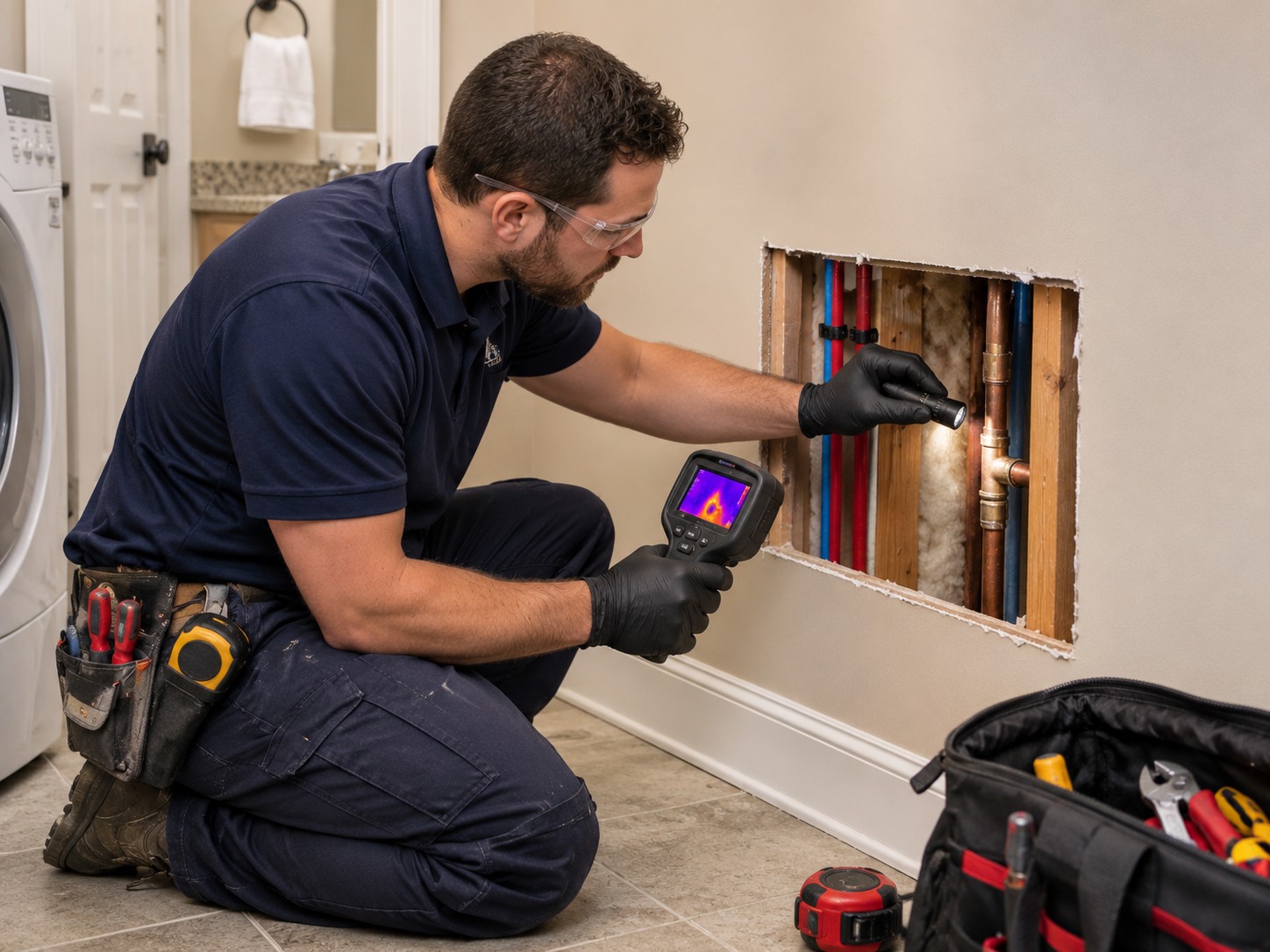
A slab leak occurs when a water supply pipe running beneath a concrete foundation develops a leak. Because the plumbing is concealed below the floor, the escaping water may travel through surrounding materials before becoming visible inside the home.
Warm or damp floor areas, unexplained moisture near the base of walls, unusual water sounds, and recurring increases in water bills can justify investigating a possible under-slab plumbing leak. However, these symptoms can have other causes and should not be treated as confirmation of a slab leak.
Slab leak detection begins with understanding which plumbing lines run beneath the affected area and whether the suspected problem involves a hot or cold water supply. Depending on the pipe layout and conditions, pressure testing, acoustic equipment, or thermal imaging may help narrow down the location.
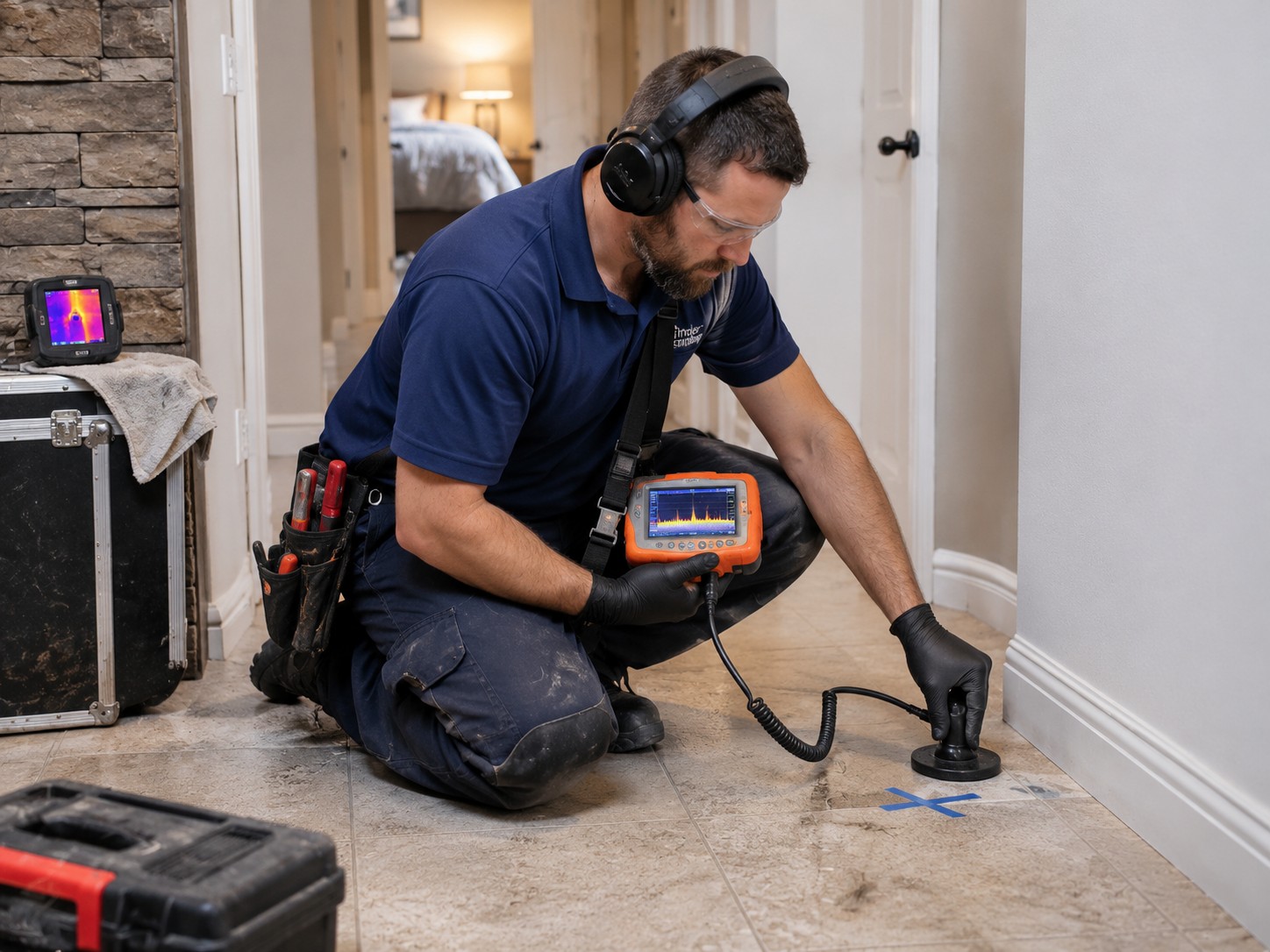
Underground water lines connect the water supply to your home, and leaks along these buried pipes can remain unnoticed because the damaged section is not directly accessible. Water may escape into the surrounding soil instead of reaching the surface immediately.
A persistently wet patch in the yard, unusually green grass in one area, unexplained water usage, or reduced water pressure may indicate a possible underground water line problem. The location of the affected pipe and the surrounding ground conditions can influence how the leak is investigated.
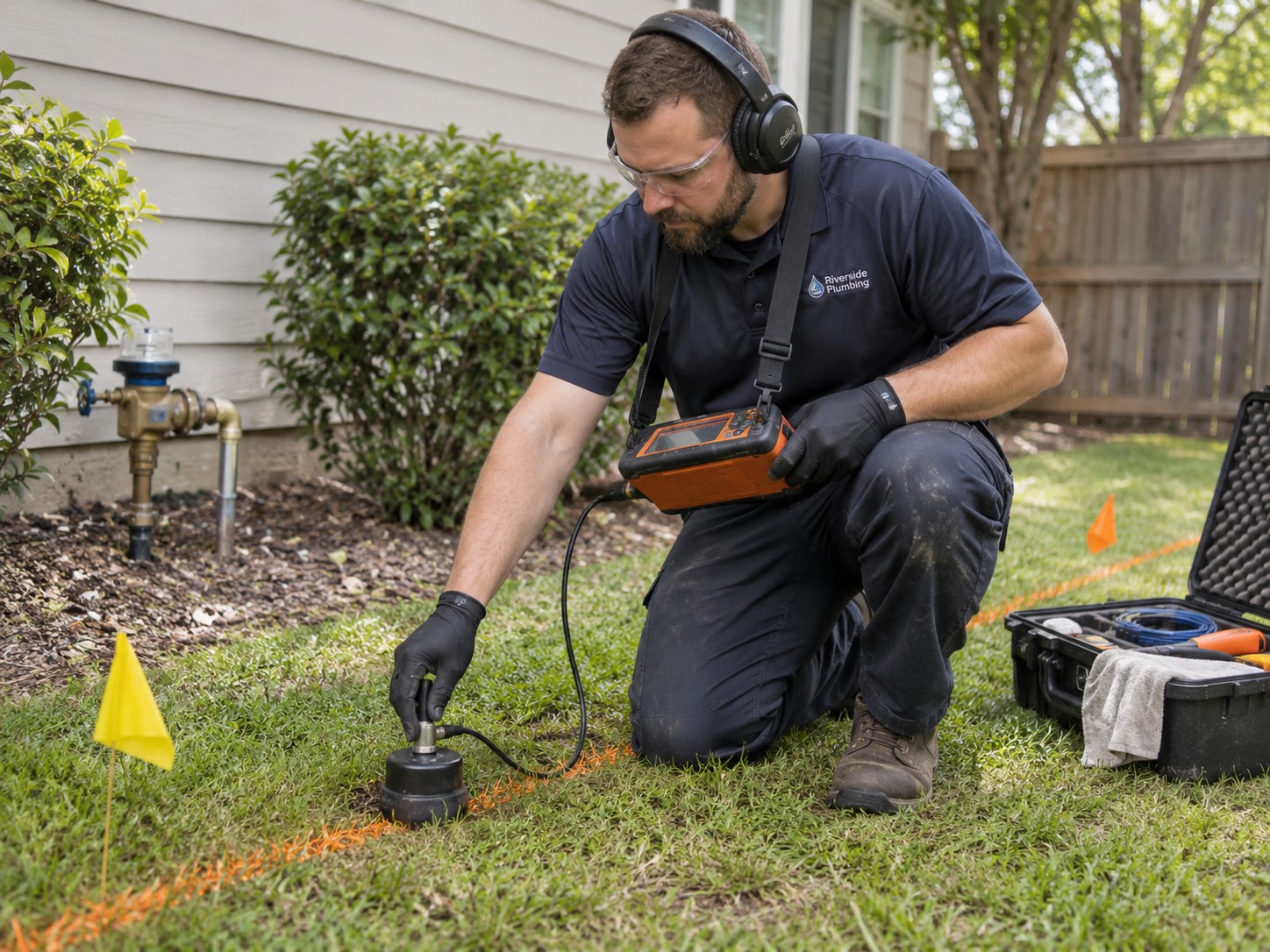
An underground leak assessment may involve checking accessible water meter readings, evaluating suspected pipe sections, and considering pressure or acoustic testing where appropriate. The objective is to narrow down the affected area before excavation or replacement work is considered.
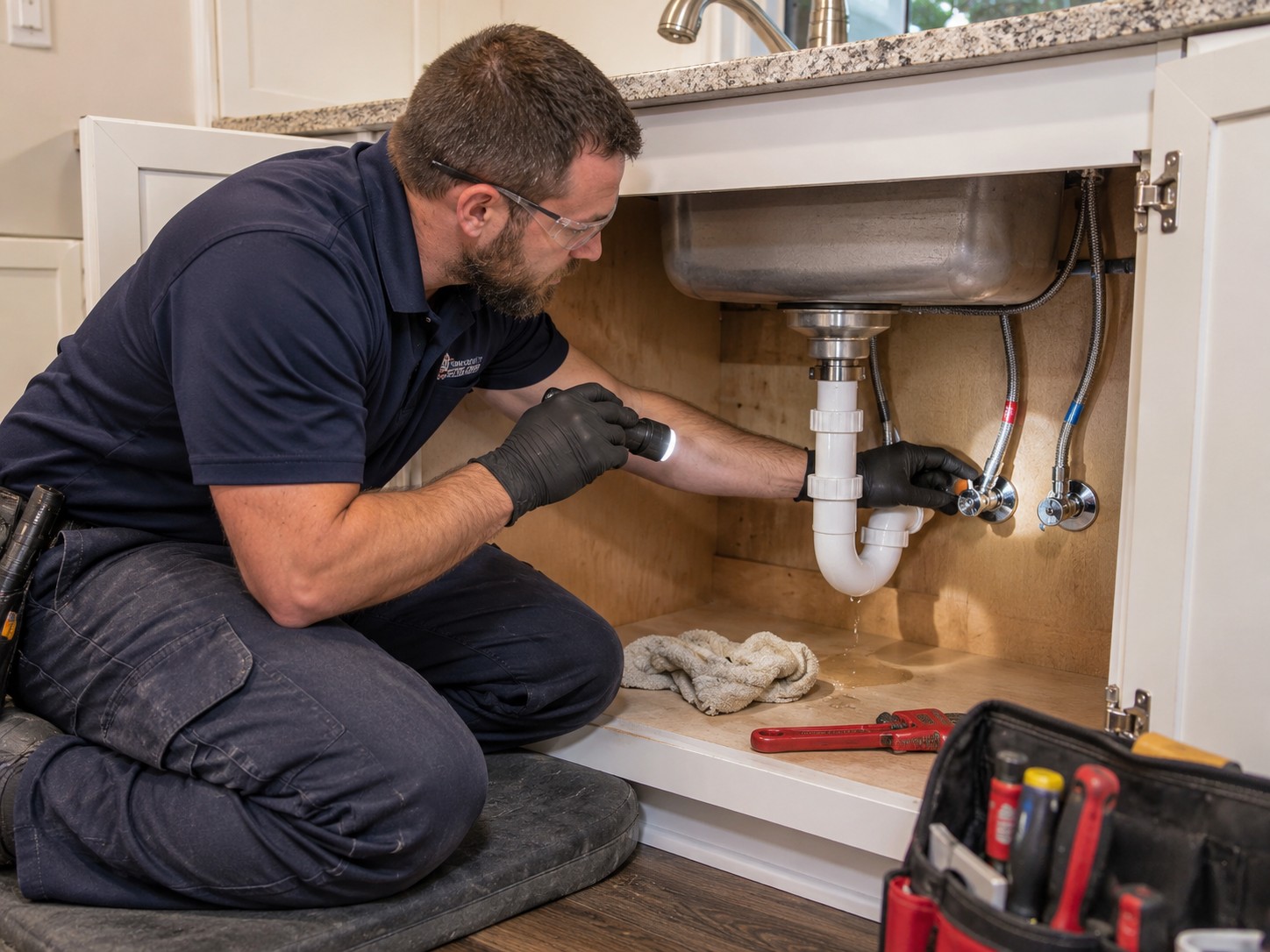
Not every water leak originates inside a wall or beneath a foundation. Plumbing fixtures and their connections can also develop leaks around faucets, toilets, shower valves, sinks, washing machines, dishwashers, and water supply hoses.
A loose connection or deteriorating seal may allow small amounts of water to escape whenever a fixture is used. Over time, moisture can collect inside vanity cabinets, beneath sinks, around toilet bases, or behind appliances. These areas are worth checking when unexplained dampness appears near household plumbing.
Inspection typically considers the fixture itself, its supply connections, shutoff valves, seals, and nearby plumbing joints. Identifying whether the leak occurs continuously or only when a particular fixture operates can help narrow down the possible source.
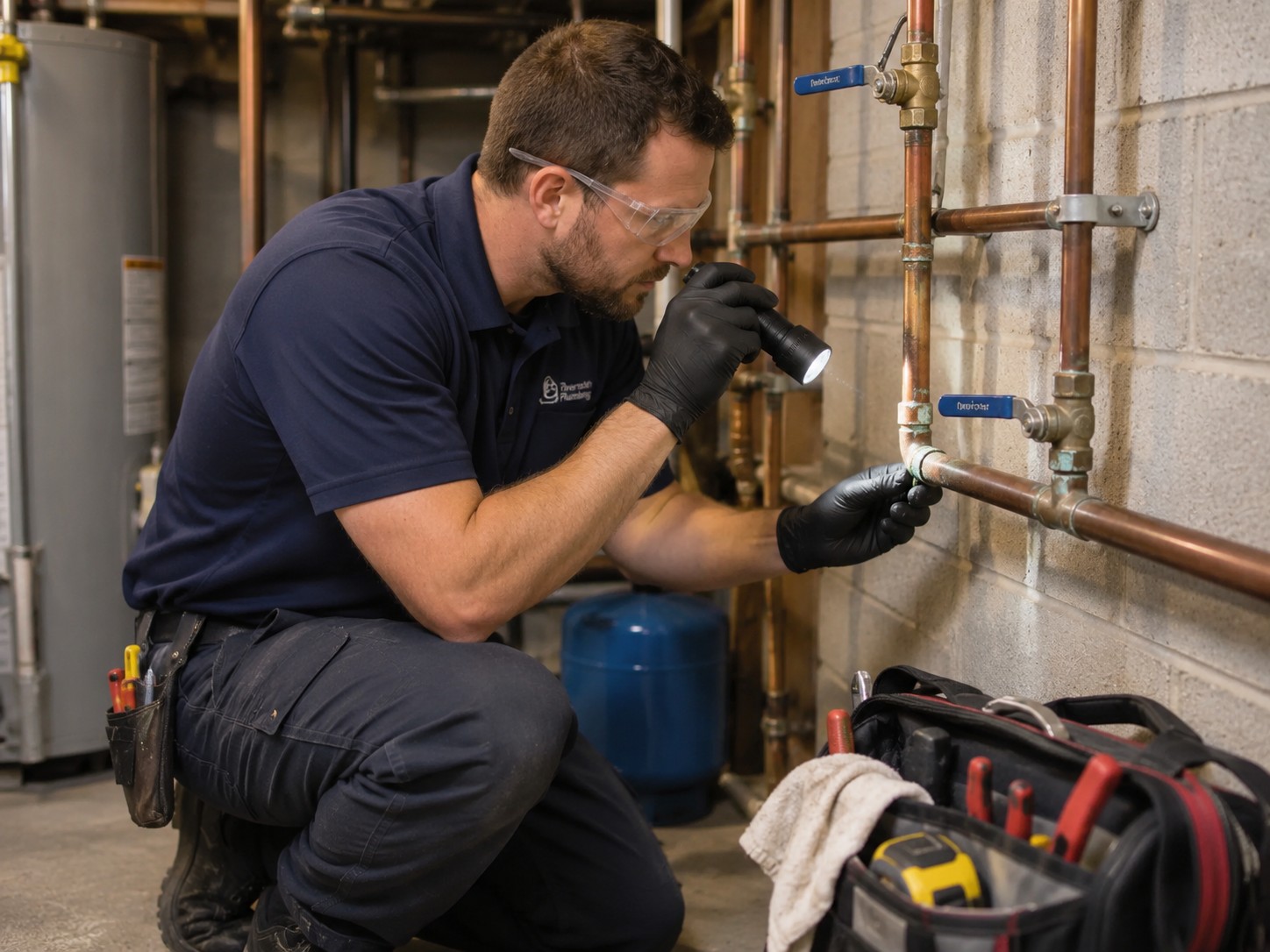
Water supply systems contain multiple pipe sections, fittings, shutoff valves, and connections that distribute water throughout a property. Corrosion, damaged fittings, loose joints, or deterioration around pipe connections can create leaks that affect normal water delivery.
Some supply pipe leaks are visible in basements, utility rooms, garages, and other accessible plumbing areas. Others develop in concealed sections and may only become noticeable through reduced water pressure, water meter movement, or unexplained moisture.
Identifying the affected supply line requires considering the plumbing layout, pipe material, connection condition, and whether the symptoms affect one fixture or multiple areas of the home. Once the suspected source is located, the next step is determining whether a localized repair or a larger pipe replacement is appropriate.
The visible water stain is not always directly above or beside the actual leak. Water can travel along pipes, framing, insulation, and flooring before appearing at a noticeable location. That is why investigating the plumbing layout and the pattern of moisture matters before deciding where to open a wall or floor.
For homeowners in Ashburn, VA, understanding the possible leak location helps make the next repair decision more informed. Whether the concern involves a hidden wall leak, a suspected slab leak, an underground water line, or a leaking fixture connection, the appropriate inspection should guide the next step.
Leak Detection in Ashburn, VA • Hidden Water Leak Inspection • Residential Plumbing
Don't see your question? Contact Ashburn Plumbing Repair and we'll help you understand your leak concerns.
Common warning signs include unexplained increases in water bills, damp walls, bubbling paint, ceiling stains, musty odors, and dripping sounds when fixtures are turned off. You can also check your water meter after turning off all water-using fixtures. Continued movement may indicate water usage that needs further investigation. These signs can suggest a hidden leak, but an inspection is needed to identify the actual cause.
Plumbers first review visible moisture, nearby plumbing connections, and the location of the suspected leak. Depending on the situation, acoustic listening equipment, moisture meters, thermal imaging, or other diagnostic methods may help narrow down the source. This targeted approach can reduce unnecessary exploratory wall openings, although some access may still be required to confirm or repair the leak.
Yes. During freezing weather, water inside vulnerable pipes can freeze and expand, potentially cracking the pipe or damaging its connections. Plumbing in garages, crawlspaces, exterior walls, and other poorly insulated areas may be especially vulnerable. A damaged pipe may begin leaking when the ice thaws, so checking for moisture after a freeze is important.
The time required depends on the suspected leak location, plumbing layout, accessibility, and diagnostic methods needed. An accessible fixture leak may take less time to investigate than a concealed wall leak, slab leak, or underground water line problem. The inspection scope helps determine how much time the investigation may require.
Yes. Even a slow plumbing leak can allow moisture to accumulate inside wall cavities, beneath floors, or around building materials. Prolonged moisture may contribute to damaged drywall, deteriorating flooring, wood damage, and conditions that support mold growth. Finding the source early helps homeowners address the problem before the damage becomes more extensive.
It can. A leaking underground water supply line may allow water to escape into surrounding soil without creating an obvious puddle. Unusually wet lawn areas, unexpectedly green patches, continued water meter movement, or reduced water pressure may justify further investigation. A plumbing assessment can help determine whether the underground supply line is involved.
Depending on the suspected leak, plumbers may use acoustic listening devices, thermal imaging cameras, moisture meters, pressure testing equipment, and other diagnostic tools. Each method serves a different purpose. The appropriate equipment depends on whether the suspected leak involves a wall, floor, water supply connection, or underground pipe.
Leak detection and pipe repair are related but separate parts of the plumbing process. Detection focuses on locating and assessing the suspected leak. Repair addresses the damaged pipe, fitting, or connection. Once the source is identified, suitable repair or replacement options can be discussed. The availability and scope of repair work depend on the service arrangement.
Still have questions about hidden water leaks in Ashburn, VA?
Call 0000Identify suspected hidden water leaks before moisture problems become more extensive. Contact Ashburn Plumbing Repair to discuss your concerns.
Call 0000